Sam Werner · 5 November 2026
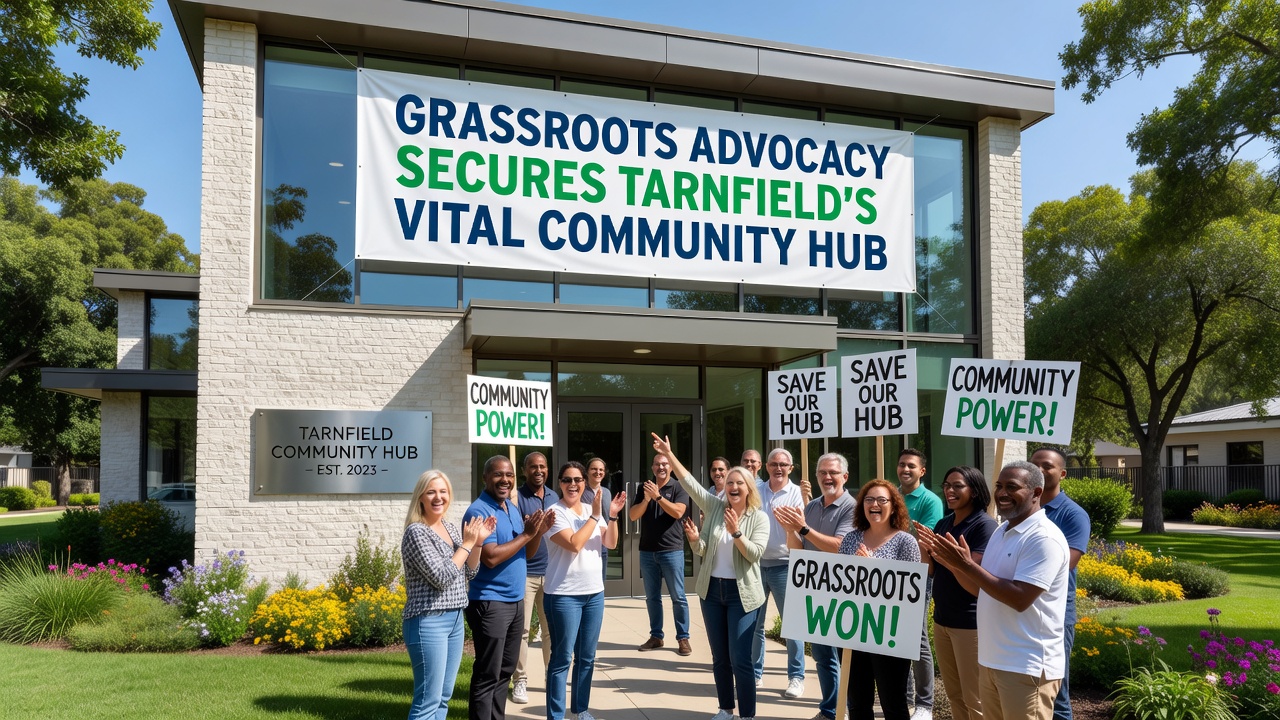
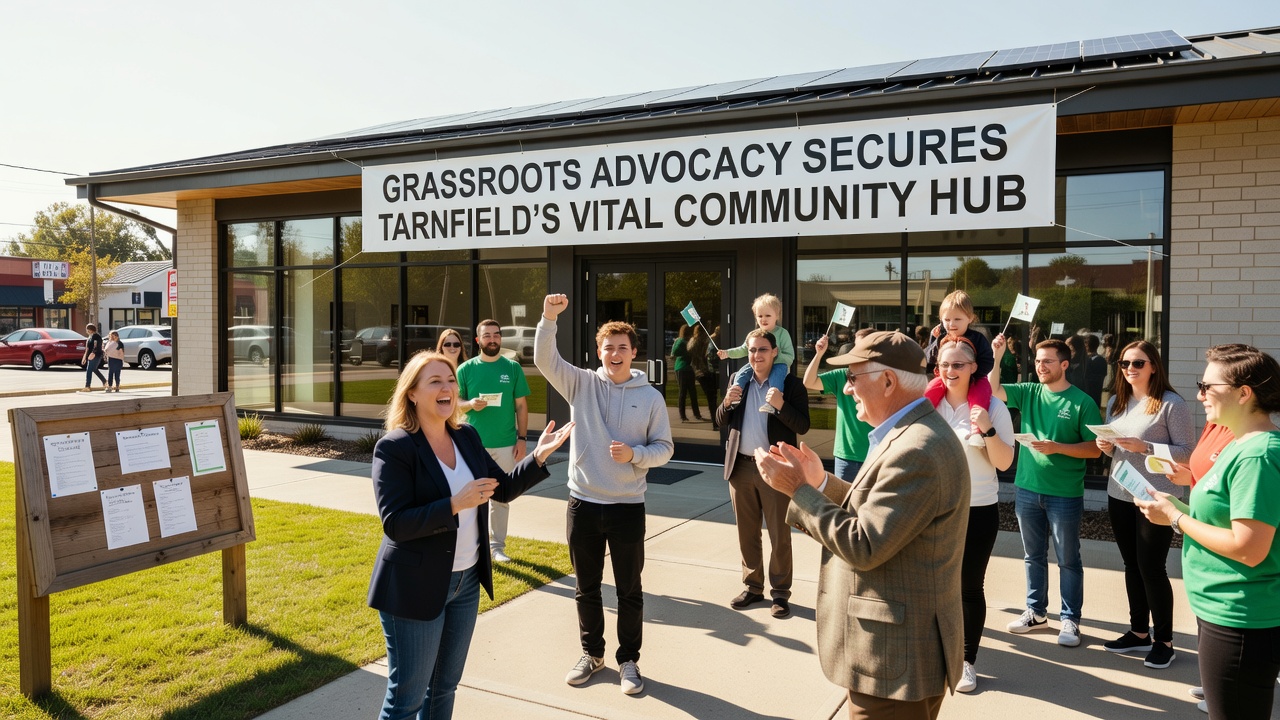
Grassroots Advocacy Secures Tarnfield's Vital Community Hub
Residents in Tarnfield organized sustained campaigns that preserved the local community hub after years of funding pressures threatened its closure, with key decisions finalized in November 2026. The facility serves as a central point for meetings, educational programs, and social services across the parish, and groups coordinated petitions that collected over 2,400 signatures while hosting public forums attended by hundreds of participants. Local records show that these efforts secured renewed support from regional authorities and private donors, allowing operations to continue without interruption.
Background on the Tarnfield Facility
The community hub opened in 1987 as a converted village hall that expanded over subsequent decades to include dedicated spaces for youth activities, senior support sessions, and small business workshops. Data from parish archives indicate average monthly attendance figures reached 1,800 individuals by 2024, with programs ranging from digital literacy classes to environmental education initiatives. Funding shortfalls emerged in 2023 when central government grants faced reductions, prompting initial discussions about potential consolidation with nearby venues.
Campaign Milestones Leading to November 2026
Advocacy groups formed in early 2024 and adopted structured approaches that included door-to-door outreach alongside digital coordination through established community networks. Observers note that one particular series of workshops trained over 150 volunteers in petition strategies and public speaking, while partnerships developed with neighboring parishes to share resources and expertise. By mid-2025 these coalitions presented detailed proposals to the Tarnfield Parish Council that outlined cost-saving measures such as volunteer-led maintenance and shared utility arrangements.
Public meetings held throughout 2025 drew consistent crowds, and records show that attendance at the largest session exceeded 320 people. Those sessions featured presentations on usage statistics and economic contributions the hub makes to local employment, including part-time roles that support 12 individuals. The campaigns incorporated input from external consultants who analyzed comparable sites in other rural areas, and this evidence helped shape revised budget submissions delivered to county officials in the summer of 2026.
Role of Data and External Partnerships
Quantitative reports compiled by the advocacy teams highlighted that closure would have displaced programs serving 45 percent of the parish's under-18 population and 60 percent of residents over age 65. Figures from the Australian Government Department of Infrastructure on rural service access informed some of the comparative analysis used during submissions. Additional context came from studies conducted by Canadian rural development researchers that examined long-term outcomes when similar facilities remained operational versus those that closed.
Negotiations in October 2026 incorporated commitments from two local businesses to sponsor specific program lines, and this private sector involvement reduced the required public funding by 22 percent according to council documentation. The final agreement announced in November 2026 extended operational funding through 2030 while establishing a joint oversight committee that includes resident representatives.
Implementation Steps After Securing Support
Immediate actions following the November announcement focused on infrastructure upgrades funded through the new allocations, including energy efficiency improvements that lower annual operating costs by an estimated £8,400. Training sessions scheduled for early 2027 will prepare additional volunteers for facility management duties, and schedules released by organizers list expanded programming that adds evening language courses and weekend market events. Parish records confirm that monitoring protocols will track attendance and satisfaction metrics on a quarterly basis to inform future adjustments.
Conclusion
The sequence of resident-led initiatives demonstrates how coordinated local action can influence resource allocation decisions in rural settings. Outcomes finalized in November 2026 ensure the Tarnfield hub continues its established functions while incorporating new efficiencies and partnerships. Ongoing participation from community members will determine how effectively the facility adapts to emerging needs over the coming years.